Updating kitchen or bathroom cabinets can dramatically change the appearance of a room without requiring a complete cabinet replacement. Two of the most common ways to achieve this transformation are cabinet refinishing and cabinet refacing. Although the terms are sometimes used interchangeably, they describe two very different renovation processes. Refinishing focuses primarily on restoring or changing existing cabinet surfaces, while refacing replaces visible components and covers portions of the existing cabinet structure with new materials. Understanding the difference between refinishing and refacing can help homeowners choose an option based on their budget, cabinet condition, desired appearance, and long-term remodeling goals.
What Is Cabinet Refinishing?
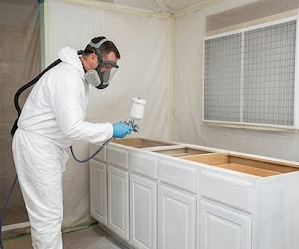
San Jose Cabinet Refinishing involves updating the existing surfaces of cabinets rather than replacing their main components. Depending on the desired result, the process may include removing an old finish, cleaning and preparing surfaces, repairing minor imperfections, sanding, priming, staining, painting, or applying a new protective coating. The original cabinet doors and drawer fronts are generally retained when they are in suitable condition. Refinishing can therefore preserve much of the existing cabinetry while giving it a noticeably different appearance.
The amount of preparation required depends heavily on the existing cabinet material and finish. Grease, cleaning residue, peeling coatings, scratches, and other imperfections must be addressed before a new finish is applied. Some surfaces may require more extensive preparation than others to achieve proper adhesion and an even appearance. Refinishing is most successful when the cabinet components are structurally sound and suitable for the selected coating system. Proper preparation is essential for achieving durable results.
What Is Cabinet Refacing?
Cabinet refacing is a more extensive cosmetic renovation that changes many of the visible components of the cabinetry while retaining the existing cabinet boxes. In a typical refacing project, old doors and drawer fronts are replaced with new ones. The exposed portions of the cabinet boxes are then covered or finished so they coordinate with the new components. New hinges, handles, and other hardware may also be installed as part of the project. This approach can create a substantial visual transformation without removing the entire cabinet system.
Refacing gives homeowners more flexibility when they want to change the style of their cabinet doors rather than simply change their color or finish. For example, dated doors can be replaced with cleaner contemporary designs or another preferred profile. Because new doors and drawer fronts are installed, homeowners are not limited by the appearance of their existing components. Refacing can therefore create a more significant style change than refinishing alone. The existing cabinet boxes, however, still need to be structurally suitable for continued use.
What Is the Main Difference Between Refinishing and Refacing?
The primary difference is how much of the existing cabinetry remains visible after the project. Refinishing keeps the current cabinet doors, drawer fronts, and frames and gives those surfaces a new finish. Refacing generally replaces the doors and drawer fronts while updating the exposed surfaces of the cabinet boxes to match. As a result, refinishing changes the surface appearance of existing components, while refacing changes both the surfaces and several prominent cabinet components. This distinction has a major impact on cost, project scope, and design possibilities.
Another important difference involves the amount of customization available. Refinishing can dramatically change cabinet color and finish, but it usually preserves the existing door profiles and overall cabinet style. Refacing allows homeowners to select completely different door and drawer-front designs. This can make refacing more appropriate when the current cabinet style feels outdated even though the cabinet boxes remain functional. Choosing between the two options therefore depends partly on how significant a visual change is desired.
Which Option Costs Less?
Cabinet refinishing is generally the more affordable option because fewer new materials are required. Existing doors, drawer fronts, and cabinet boxes remain in place, so most of the project cost relates to preparation, repairs, labor, and finishing materials. The final price depends on the number of cabinets, their condition, the complexity of the doors, and the finish being applied. Cabinets requiring extensive repairs or surface preparation can increase the overall cost. Even so, refinishing often provides an economical way to update structurally sound cabinetry.
Refacing generally costs more because new doors, drawer fronts, veneers or other surface materials, and potentially new hardware must be supplied and installed. Custom door styles and premium materials can increase the price further. However, refacing is usually less disruptive than removing functional cabinet boxes and installing an entirely new cabinet system. Homeowners should compare the complete project scope rather than focusing exclusively on the initial price. The best value depends on the condition of the existing cabinetry and the desired transformation.
Which Option Offers More Design Choices?
Refinishing offers substantial flexibility when it comes to changing cabinet color and surface appearance. Dark cabinets can be transformed with a lighter painted finish, while existing wood cabinetry may sometimes be updated with a different stain depending on the material and condition. Homeowners can also coordinate cabinet colors with countertops, flooring, backsplashes, and other features. However, the existing door shape and decorative details generally remain unchanged. Refinishing is therefore ideal when homeowners like their cabinet style but want a refreshed appearance.
Refacing provides considerably more flexibility for changing the cabinet style itself. New doors may feature simple flat panels, traditional raised panels, shaker-inspired profiles, or other architectural details. Hardware can also be changed to reinforce the new design direction. Because doors and drawer fronts are among the most visible parts of cabinetry, replacing them can make the room look substantially different. Refacing is often a stronger option when homeowners want a more comprehensive aesthetic update without changing the existing layout.
How Long Do Refinishing and Refacing Take?
Project duration depends on the number of cabinets, their condition, and the complexity of the work. Refinishing can require significant preparation time because surfaces need to be cleaned, repaired, sanded, primed when appropriate, coated, and allowed to dry or cure. Doors and drawer fronts may be removed and worked on separately before being reinstalled. Multiple coating stages can extend the schedule even when the physical cabinet structure remains unchanged. Rushing drying and curing can compromise the final finish.
Refacing eliminates some of the finishing work associated with preserving old doors because replacement components are installed instead. However, measurements must be accurate, new components need to be manufactured or ordered, and cabinet box surfaces still require careful preparation. The installation stage itself may be relatively efficient once all materials are available. Project timelines should therefore consider both preparation and material lead times. Homeowners should discuss the expected schedule before choosing either approach.
When Is Cabinet Refinishing the Better Choice?
Refinishing can be an excellent choice when cabinets are structurally sound and homeowners are satisfied with their existing layout and door design. If the primary complaint is an outdated color, worn finish, minor surface damage, or faded appearance, refinishing may provide the desired transformation without replacing usable components. It can also be attractive for homeowners who want to preserve certain wood features or architectural details. Keeping existing materials may reduce waste compared with more extensive renovation. The key is ensuring the surfaces are appropriate for refinishing.
The condition of the cabinets should always be evaluated before proceeding. Extensive water damage, severely deteriorated surfaces, unstable cabinet boxes, or badly damaged doors may make refinishing impractical. Cosmetic coatings cannot correct significant structural problems. Repairs may be necessary before refinishing can begin, and extensive repairs can change the economics of the project. A careful inspection helps determine whether the existing cabinets are good candidates.
When Is Cabinet Refacing the Better Choice?
Refacing is often better when the cabinet boxes are in good condition but the doors and drawer fronts no longer match the homeowner’s preferred style. It allows a substantial aesthetic change without altering the existing cabinet footprint. Homeowners can replace outdated profiles, change hardware, and select new surface materials while retaining functional cabinet boxes. This can make a kitchen feel significantly newer without the disruption of a complete remodel. Refacing offers a useful middle ground between refinishing and replacement.
It may also make sense when existing doors are too damaged or unsuitable for a high-quality refinishing result. Replacing those components eliminates the need to restore surfaces that are no longer worth preserving. However, refacing is not designed to solve fundamental layout problems or failing cabinet boxes. If the kitchen needs a completely different configuration or the underlying cabinets are deteriorated, replacement may offer greater long-term value. The existing structure should therefore be evaluated before investing in refacing.
Does Either Option Increase Home Value?
Both refinishing and refacing can improve the appearance of a kitchen or bathroom, which may contribute positively to the overall impression of a home. Cabinets occupy a large amount of visual space, so worn or outdated finishes can make an otherwise attractive room feel older. Updating them can create a cleaner and more cohesive interior without requiring a full renovation. The quality of the workmanship has a major influence on the final effect. Smooth finishes and properly aligned doors create a more polished result.
However, homeowners should view either project primarily as a functional and aesthetic improvement rather than assuming a specific financial return. Design preferences vary, and excessively personalized choices may not appeal equally to every future buyer. Neutral, well-executed improvements tend to provide broader appeal. Maintaining the cabinetry properly after the project also helps preserve its appearance. A thoughtful update can enhance everyday enjoyment while improving the presentation of the space.
How Do You Decide Between Refinishing and Refacing?
The decision should begin with the condition of the existing cabinets. If the boxes, doors, and drawer fronts are all structurally sound and the existing style is still appealing, refinishing may provide everything needed. If the boxes are good but the doors are damaged or stylistically outdated, refacing may deliver a more complete transformation. Homeowners should also consider whether they want to preserve the existing wood or completely change the cabinet style. These practical considerations help narrow the options.
Budget, timeline, desired durability, and long-term remodeling plans should also influence the decision. Investing in extensive refacing may make less sense if a complete kitchen redesign is already planned for the near future. Conversely, refinishing may not provide enough change when the main concern is the shape and style of the doors rather than their color. Comparing the expected outcome of each option helps prevent disappointment. The right choice is the one that addresses the actual problem with the existing cabinetry.
Final Thoughts
The difference between cabinet refinishing and refacing comes down to how much of the existing cabinetry is retained and what kind of transformation is desired. Refinishing preserves the existing doors, drawer fronts, and cabinet surfaces while giving them a renewed finish, making it particularly suitable for structurally sound cabinets that mainly need a cosmetic update. Refacing retains the cabinet boxes but replaces doors and drawer fronts while updating visible box surfaces, providing greater flexibility for changing the overall style. Both approaches can be less disruptive than complete cabinet replacement when the underlying cabinetry remains in good condition. By considering cabinet condition, budget, design goals, and future renovation plans, homeowners can choose the option that provides the most practical and attractive long-term result.