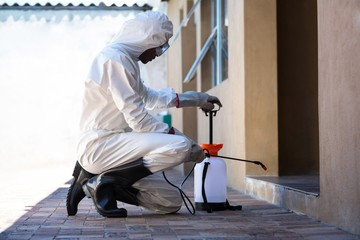
Pests can quickly turn a comfortable home into a source of stress, whether the problem involves ants in the kitchen, rodents in the attic, termites in the walls, or cockroaches in hidden spaces. When an infestation appears, many homeowners face the same question: should they handle the problem themselves or hire a professional pest control service? Store-bought sprays, traps, and bait stations may seem like convenient and affordable options, but they do not always provide lasting results.
Professional Pest Control Port St Lucie offers a more comprehensive approach that targets not only the visible pests but also the conditions that allow them to thrive. Understanding whether professional pest control is better than DIY treatments helps homeowners choose the most effective solution for protecting their property.
What Is the Difference Between Professional Pest Control and DIY Treatments?
The biggest difference between professional pest control and DIY treatments is the overall approach to solving a pest problem. Do-it-yourself products are generally designed to eliminate pests that homeowners can easily see, such as ants on countertops or cockroaches near sinks. While these products may reduce visible activity, they often do not address hidden nests, breeding sites, or entry points. As a result, pests may return after a short period because the source of the infestation remains untreated. Temporary relief is not always the same as complete pest control.
Professional pest control focuses on identifying the root cause of the infestation before treatment begins. A thorough inspection helps locate nesting areas, moisture problems, food sources, and structural gaps that allow pests to enter the property. Based on these findings, technicians create a treatment plan that targets the specific pest and the conditions supporting its activity. This comprehensive strategy helps provide longer-lasting results. Treating both the infestation and its cause is one of the primary advantages of professional services.
When Can DIY Pest Control Be Effective?
DIY pest control can be effective for minor pest problems that are detected early and involve only a small number of insects or rodents. For example, cleaning up food spills, sealing pantry items, placing simple ant bait stations, or using sticky traps may help reduce limited pest activity before it becomes widespread. Homeowners who practice good sanitation and routine maintenance can often prevent small problems from growing larger. Early action plays an important role in successful pest management. Consistent monitoring also helps identify whether the treatment is working.
However, DIY methods become less reliable when pests establish nests inside walls, crawl spaces, attics, or other hidden areas. Certain pests reproduce rapidly, allowing populations to increase even while individual insects or rodents are being removed. Without identifying where pests are entering or breeding, repeated use of retail products may only provide temporary improvement. Larger infestations usually require more comprehensive solutions. Recognizing the limitations of DIY treatments helps homeowners know when professional assistance may be necessary.
Why Is Professional Pest Control Often More Effective?
Professional pest control is often more effective because technicians receive training in pest biology, behavior, and treatment strategies. Different pests require different control methods, and professionals understand how to select the most appropriate approach for each situation. They also know where pests are likely to hide and how environmental conditions influence infestations. This knowledge allows treatments to target the problem more accurately. Experience often leads to better long-term outcomes.
Professionals also use specialized equipment and commercial-grade products that may not be available through retail stores. These products are applied according to established guidelines and combined with monitoring, exclusion, and prevention techniques. Rather than relying on a single spray or trap, professional treatment plans often involve multiple strategies working together. Follow-up inspections allow technicians to evaluate progress and make adjustments if necessary. Comprehensive management helps reduce the likelihood of recurring infestations.
Is Professional Pest Control Safer Than DIY Treatments?
Safety is an important consideration whenever pest control products are used around people and pets. Many store-bought products include instructions that must be followed carefully to avoid unnecessary exposure or misuse. Incorrect application, excessive product use, or placing treatments in unsuitable locations may reduce effectiveness while increasing potential risks. Homeowners should always read product labels and use pest control products responsibly. Proper handling is essential regardless of the treatment method.
Professional pest control providers evaluate each property before selecting treatment options. They consider the type of pest, the location of the infestation, and the presence of children, pets, or sensitive environments when developing a treatment plan. Technicians also provide guidance on what homeowners should expect before and after treatment. This careful planning helps improve treatment effectiveness while supporting safe application practices. Professional expertise contributes to a more controlled treatment process.
Which Option Saves More Time and Money?
At first glance, DIY pest control often appears to be the less expensive option because retail products usually cost less than hiring a professional service. For small and isolated pest problems, this may be true if the infestation is eliminated quickly. However, repeated purchases of sprays, traps, and bait can become costly if the pests continue returning. Time spent applying treatments and monitoring results should also be considered. Temporary solutions may eventually cost more than expected.
Professional pest control may involve a higher initial investment, but it can provide greater long-term value by addressing the root cause of the infestation. Effective treatment helps reduce repeated product purchases, property damage, and the frustration of ongoing pest problems. Early professional intervention may also prevent more expensive repairs caused by termites, rodents, or other destructive pests. Solving the problem completely often saves both time and money over the long term. Lasting results provide greater value than repeated short-term fixes.
What Types of Pest Problems Usually Require Professional Help?
Some pest infestations are simply too large or too complex for DIY products to resolve effectively. Termites, bed bugs, widespread cockroach infestations, rodents inside wall cavities, and large wasp nests often require specialized treatment techniques and professional equipment. These pests may remain hidden for long periods, making them difficult to eliminate without a thorough inspection. Delaying treatment can allow the infestation to grow and increase the potential for property damage. Early professional intervention often produces better outcomes.
Recurring pest problems may also indicate underlying structural or environmental conditions that require expert evaluation. Moisture issues, foundation gaps, damaged vents, cluttered storage areas, and landscaping conditions can all contribute to repeated infestations. Professional inspections identify these contributing factors while providing recommendations to reduce future pest activity. Addressing the environment is just as important as treating the pests themselves. Comprehensive prevention supports lasting control.
How Can Homeowners Prevent Future Pest Problems?
Preventing pest infestations begins with maintaining a clean and well-maintained property. Food should be stored in sealed containers, crumbs cleaned promptly, garbage disposed of regularly, and standing water eliminated whenever possible. Routine maintenance such as repairing leaks, sealing cracks, and trimming vegetation away from the home’s exterior also reduces opportunities for pests to enter. Good housekeeping creates an environment that is less attractive to insects and rodents. Prevention is often easier than treatment.
Regular inspections are another valuable part of long-term pest management. Homeowners should periodically check attics, basements, garages, crawl spaces, and exterior walls for signs of pest activity such as droppings, nests, damaged wood, or unusual insect movement. Identifying problems early allows faster intervention before infestations become more difficult to control. Combining preventive maintenance with professional inspections when needed provides the strongest protection. Consistent vigilance helps keep homes pest free.
Final Thoughts
Professional pest control is often the better choice for homeowners dealing with persistent, widespread, or difficult-to-treat infestations. While DIY treatments can be useful for minor pest problems, they may not eliminate hidden nests, breeding areas, or the conditions that allow pests to return. Professional services provide detailed inspections, targeted treatments, and preventative recommendations that support longer-lasting results. By understanding the strengths and limitations of both approaches, homeowners can choose the solution that best protects their property, saves time, and reduces the risk of recurring pest problems.